
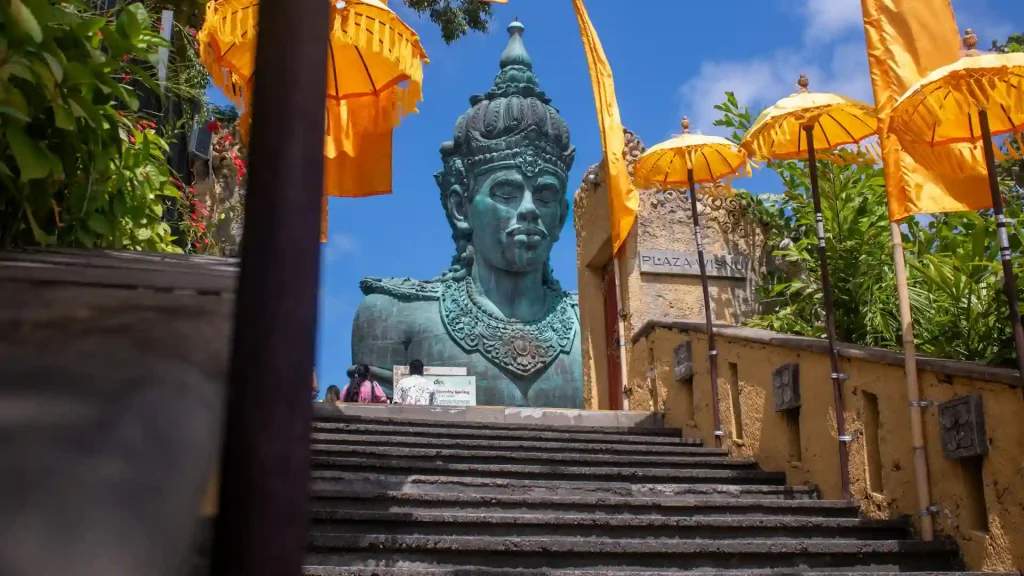
Bali’s tourism is booming again, but the playbook is changing. New rules, cashless systems, sustainability pushes, and big-ticket infrastructure are redefining how the island welcomes (and manages) visitors. Here’s a concise, sourced briefing on the developments that matter most for your next trip.
Pay the levy, mind the rules: Bali’s “quality tourism” push
- Tourist levy (IDR 150,000): Since 2024, all foreign visitors must pay a one‑time cultural & environmental levy. You can settle it online (via the official Love Bali channels) or on arrival. Authorities say the proceeds fund heritage preservation and waste management.
- Behavior guidelines updated: The Governor’s Circular Letter No. 7/2025 refreshes Bali’s do’s & don’ts (temple etiquette, modest dress at sacred sites, respect for local customs, licensed guiding where required). It’s part of a wider pivot from “more tourists” to “better tourism.”
- Digital arrival card now mandatory: Indonesia introduced an All Indonesia arrivals declaration in late 2025 (immigration/customs/health in one). Submit it within three days before landing; Bali still expects the IDR 150k levy paid separately.
- Context: The island hosted ~6.33 million international visitors in 2024, sparking renewed concerns about overtourism and behavior enforcement. Expect stricter checks and occasional deportations for rule‑breakers.
Remote work goes legit: Indonesia’s E33G (Remote Worker) visa
Indonesia now offers a one‑year E33G Remote Worker visa that lets foreigners live in the country (Bali included) while working for an overseas employer. Official immigration guidance confirms online application and fees; leading immigration advisories note a one‑year validity with a potential renewal and minimum income thresholds. If you work for an Indonesian entity, this is not the right visa.
Why this matters: It clarifies a long‑gray area for digital nomads and helps Bali align with its “quality tourism” goals without blurring labor rules.
Health & wellness 2.0: Sanur Health SEZ and the new Bali International Hospital
Bali has formally opened the Sanur Health Special Economic Zone (SEZ) and inaugurated Bali International Hospital a flagship facility aimed at medical tourism and keeping Indonesians from seeking care abroad. This is now operational, with presidential backing and a national push to grow health travel. Expect more wellness‑plus‑medical packages anchored in Sanur.
Moving people better: rail plans, a possible second airport & new routes
- Bali LRT (airport–South Bali corridor): The long‑mooted light‑rail project completed feasibility in 2024 and remains in the pipeline, with Phase 1A focused on linking Ngurah Rai Airport to key southern hubs. Timeframes and funding are evolving, so treat it as “in development,” not “done.”
- North Bali International Airport (BIBU): In mid‑2025, officials said President Prabowo Subianto approved moving forward on a second airport in Buleleng (North Bali). Groundbreaking timelines are pending, but this is now a stated national priority.
- More flights in 2025: Bali’s airport has welcomed new international services (e.g., China and South Korea) and continues adding routes to meet demand. Check your carrier’s updates connectivity is expanding.
Sustainability steps you’ll notice: fewer small plastic bottles, more refill culture
Bali is tightening single‑use plastic rules:
- Government offices & schools since Feb 3, 2025, plastic bottled water and other single‑use plastics are barred; staff must bring refillable tumblers under SE No. 2/2025.
- Island‑wide supply shift local producers are phasing out plastic water bottles under 1 liter per SE No. 9/2025, with commitments to stop distribution by late 2025. Expect more dispensers, refills, and glass in hotels, cafés, and tours.
Travel tip: Pack a reusable bottle; many venues now offer refills.
“Cashless Bali” accelerates: QRIS & a new Tourist Travel Pack
Indonesia’s central bank is pushing seamless digital spending for visitors:
- QRIS cross‑border payments are expanding handy for scanning one QR to pay across multiple ASEAN systems.
- In Nov 2025, Bank Indonesia began piloting an Indonesia Tourist Travel Pack at Ngurah Rai Airport a bundle that helps foreign visitors set up local e‑money/QR payments from day one (useful if your home wallet isn’t linked).
Where the crowd is going now: Uluwatu, Sanur & the Nusa islands
- Uluwatu keeps rising with cliff‑top stays, surf, and a calmer vibe than Canggu’s busiest strips. Expect more “barefoot‑luxury” openings and wellness programming. (Local lifestyle media track the newest hotels and restaurants monthly.)
- Sanur’s profile is changing beyond beaches and sunrise cycling, the Health SEZ is bringing new, higher‑end hospitality and wellness offerings.
- Nusa Penida/Lembongan entry fees are standardizing (with a move to cashless collection). Don’t haggle fees fund local conservation and facilities.
Quick trip planner (what this means for you)
- Before you fly:
- Pay the Bali levy and submit the All Indonesia arrival card online.
- If you’re working remotely, check the E33G visa rules (it’s for overseas employers only).
- When you land: Expect good QR‑code acceptance; consider setting up a Tourist Travel Pack if you lack a compatible wallet.
- While you explore: Respect temple etiquette and local customs; use licensed guides at sacred/natural sites if required by local rules; pack a refillable bottle.
The bottom line
Bali isn’t just “busy again” it’s retooling tourism: clearer visitor rules, a real remote‑worker pathway, better health/wellness infrastructure, stronger sustainability policies, and a shift toward cashless convenience. If you plan ahead and travel respectfully, you’ll find the island both familiar and refreshingly improved.